
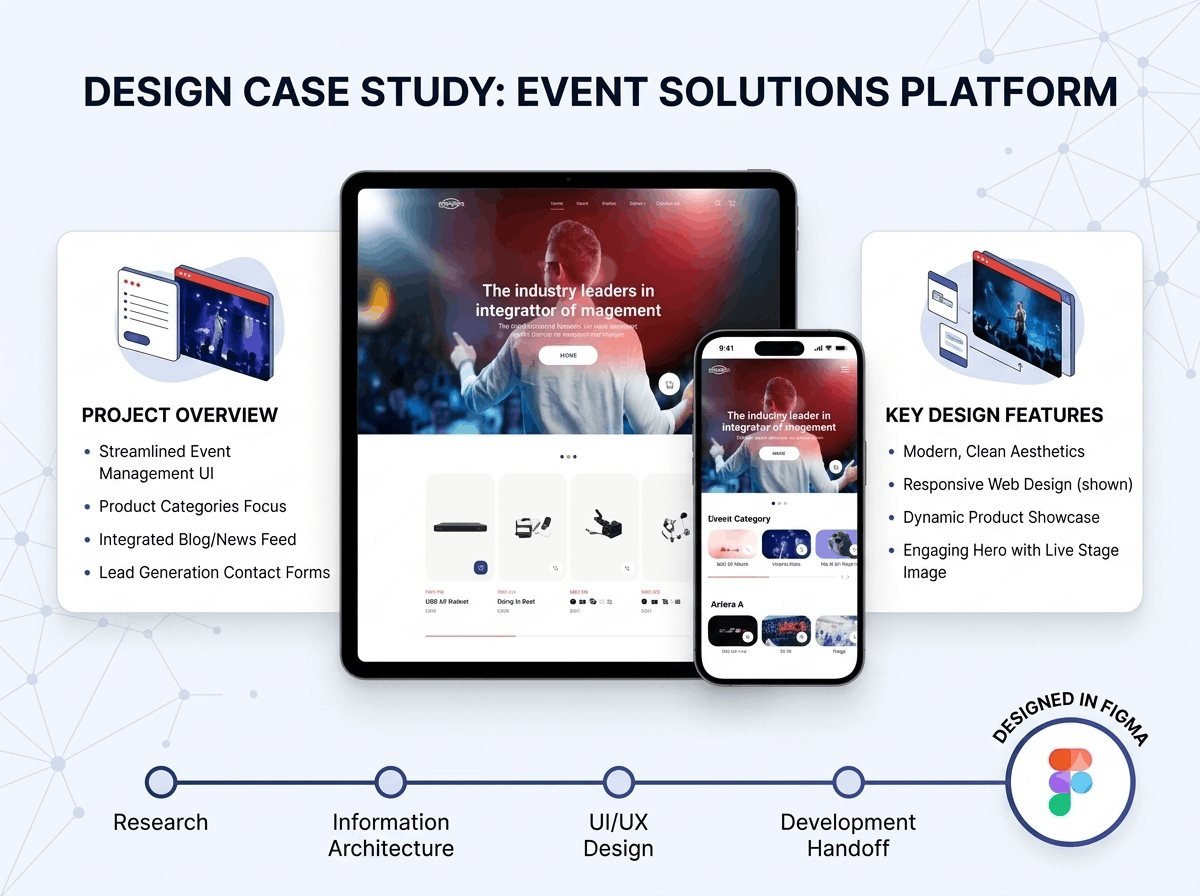
- 6Trust brands listed
- 2Sites in one build
- ElementorBuilt with
The problem
A supplier trusted by Bosch, Liebherr, Sennheiser, the UN, Visa and E.ON had no site that carried that level of credibility.
What I did
- Built the website for a conference interpreting-equipment supplier|Trust bar featuring Bosch, Liebherr, Sennheiser, UN, Visa and E.ON|Combined Shop Now storefront with a full solutions and services site|Bold dark theme with cinematic hero photography
The brief
ABBN supplies conference interpreting equipment: the booths, receivers and consoles that let a multilingual event work. The customers are event organisers, corporate AV teams and institutional procurement departments, and each of those buys differently.
Who the site has to convince
An event organiser is checking whether the equipment exists, whether it can be delivered on their date and whether the supplier has handled events of their size before. They decide quickly.
A procurement department is checking whether the supplier is credible enough to place on an approved list. They decide slowly, and they look for evidence: named clients, technical specifications, compliance with the relevant standards.
Those two audiences want different things from the same pages. The organiser wants to know it will work; the procurement officer wants to know it will survive scrutiny. A site that serves only the first reads as thin to the second, and a site that serves only the second is impenetrable to the first.
How that shapes the structure
Every equipment page leads with what the item is for and what it covers, in plain language, then the full technical specification below. The organiser gets an answer in the first screen. The procurement officer scrolls and finds the detail they came for.
Client names are stated once, prominently, and not repeated on every page. Bosch, the United Nations and Visa carry weight precisely because they are specific and verifiable, and repeating them in every section would make them read as marketing rather than as fact.
The build
WordPress with a custom content structure: equipment as its own post type, with specification fields that render into a consistent table rather than being typed into a page by hand. That matters over time, because a specification typed as free text drifts, and two pages describing the same connector differently is exactly the sort of thing a procurement review notices.
The enquiry route is a form that captures the event date, the number of languages and the expected attendance, because those three numbers determine what can be quoted. A generic contact form would mean a second email asking for them.
Design decisions
Restrained, and deliberately so. This is a sector where the equipment is the product and the supplier’s job is to look competent rather than creative. Photography is of the equipment in use at real events, not of stock-image conference rooms, and the palette stays out of the way of it.
Typography is set for reading specifications: tabular figures so numbers align in a column, and enough line height that a dense table stays scannable.
What the client can manage
Equipment listings, specifications, client logos and case studies. Adding a new product creates its own page with the specification table already structured, so nothing has to be laid out by hand.
The stack
Next
More case studies
-
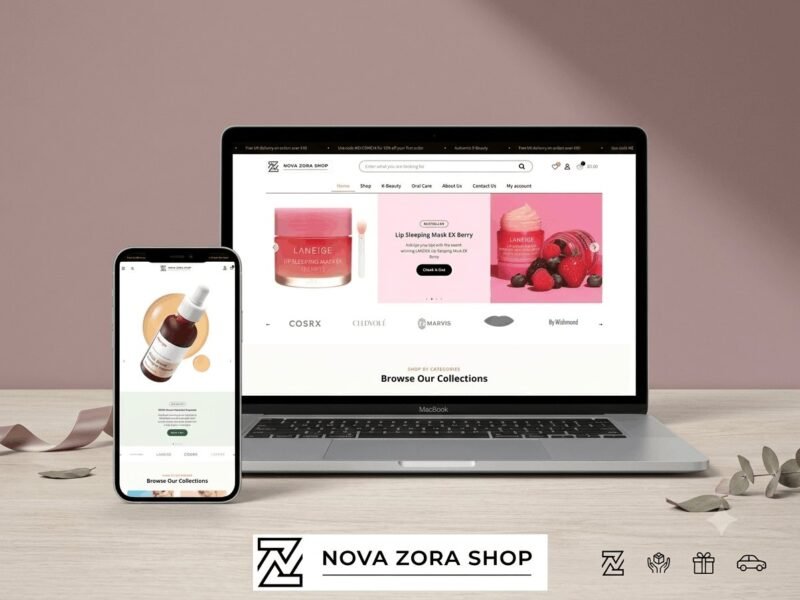
Nova Zora Shop
A WooCommerce store for authentic K-Beauty and skincare brands, built around category navigation and conversion.
-
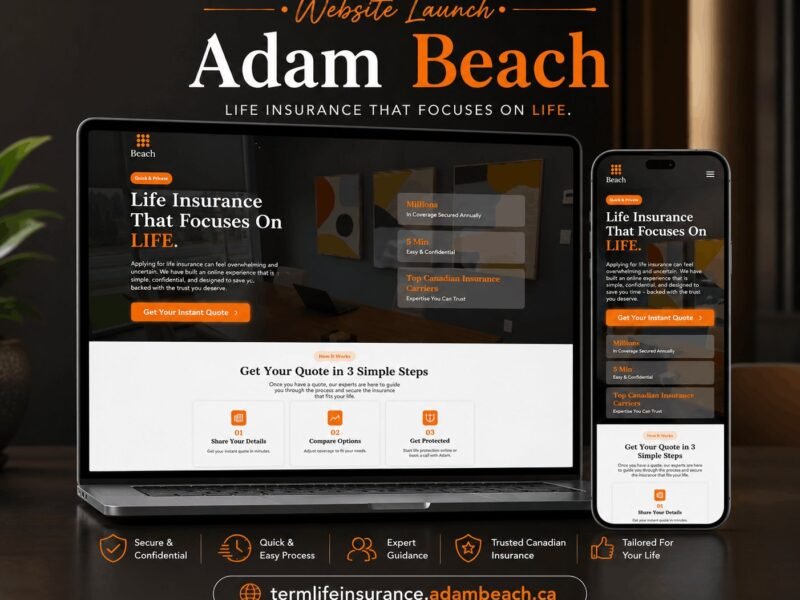
Adam Beach Term Life
A landing page for a Canadian term life insurance advisor, built around a three-step quote flow.
-
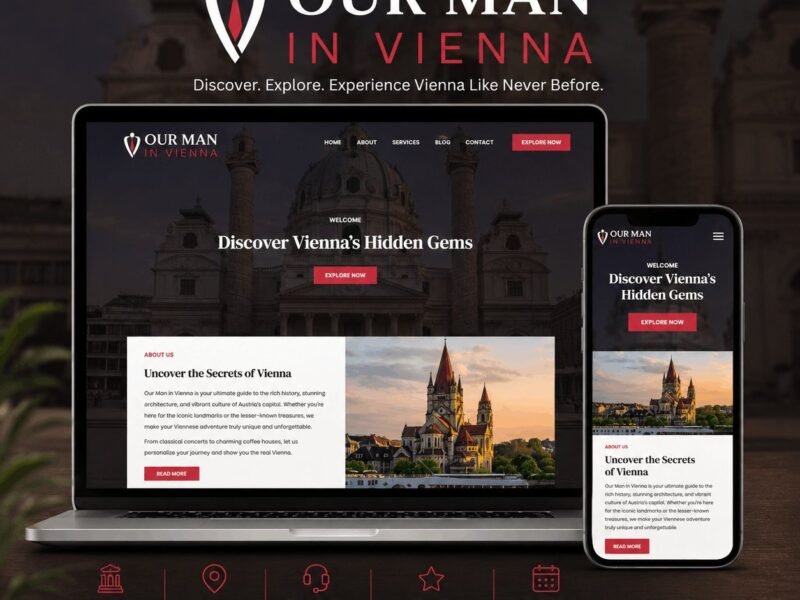
Our Man in Vienna
A travel and city-experience guide site for Vienna, structured for storytelling and bookings.
Ready to build something that performs?
Tell me about your project and I'll tell you exactly how I'd approach it. Free 30-minute consultation, and I reply within 24 hours.