

- 4.8Trustpilot rating
- 3Mega menu levels
- InstantDigital delivery
The problem
Software licence buyers worry about authenticity above everything, and the catalogue spanned three cross-cutting ways of browsing.
What I did
- Full eCommerce store for genuine software licences with instant digital delivery by email|Built on WordPress and WooCommerce with a custom Bricks Builder theme|Multi-level mega menu organising products by category, activation type and brand|Trustpilot 4.8 rating and verified customer reviews integrated for social proof
The brief
Selling software licences is a different problem from selling physical goods. There is no stock to manage and no shipping to calculate, but there is a delivery mechanism that has to work instantly and reliably, because a customer who has paid for a licence key expects it before they close the tab.
The catalogue problem
Software catalogues are deep and awkwardly shaped. A single product might have editions, term lengths, seat counts and platform variants, and a customer arriving from a search knows exactly which combination they want. A customer arriving without a specific product in mind needs to browse by what the software does.
Those two journeys pull the navigation in opposite directions. A flat product list serves the browser and frustrates the buyer who knows what they want. A deep category tree serves the specific buyer and loses the browser three levels down.
The answer here was a multi-level mega menu that shows the full structure at once rather than revealing it one hover at a time. It is more work to build and more work to keep tidy, but it means a customer can see the whole catalogue shape from any page, and a specific product is two clicks from anywhere.
Instant delivery
Digital delivery is built on WooCommerce’s downloadable product handling, configured so the licence is released the moment payment clears rather than waiting on an order status change. That distinction matters: the default behaviour holds delivery until an order is marked complete, which on a manual workflow can be hours.
Download links are tied to the order and time-limited, which prevents a link shared publicly from becoming a free distribution channel without making legitimate re-downloads difficult.
Trust signals that are actually earned
Software licences are a category where buyers are wary, and rightly so. The market has enough grey-market resellers that a customer arriving at an unfamiliar store is looking for reasons to leave.
The Trustpilot rating is displayed because it is real and independently verifiable. Badges that a site can award itself are not used at all, because a buyer in this category can tell the difference and the presence of a self-awarded badge undermines the genuine one next to it.
Speed
A store with a large catalogue and a mega menu has two obvious places to become slow: the menu markup on every page, and the product queries on category pages.
The menu is rendered once and cached, rather than rebuilt from the database on each request. Product queries are constrained and indexed, and pagination is server-side, so the catalogue can grow without the category pages getting heavier.
What the client can manage
Products, editions, pricing, the menu structure and the homepage promotions. The mega menu is built from the real category tree, so adding a category adds it to the menu automatically rather than requiring the menu to be edited separately and kept in sync by hand.
The stack
Next
More case studies
-
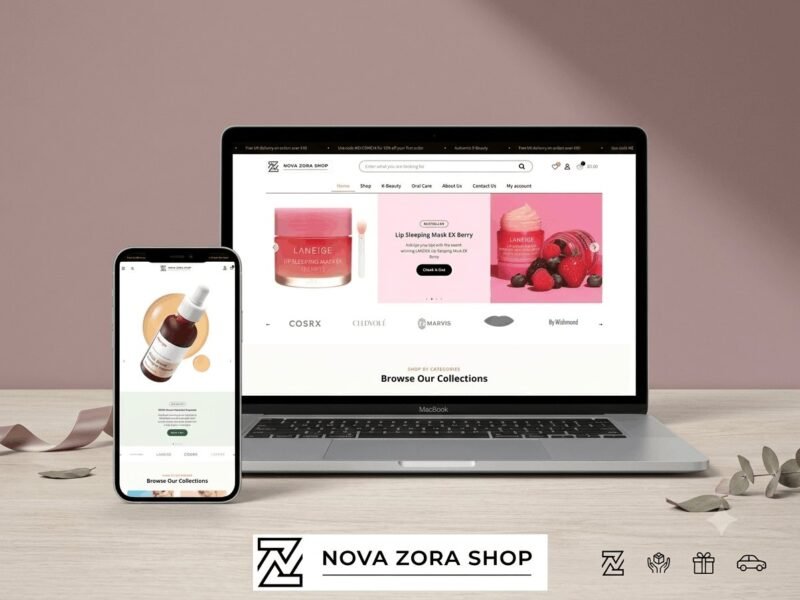
Nova Zora Shop
A WooCommerce store for authentic K-Beauty and skincare brands, built around category navigation and conversion.
-
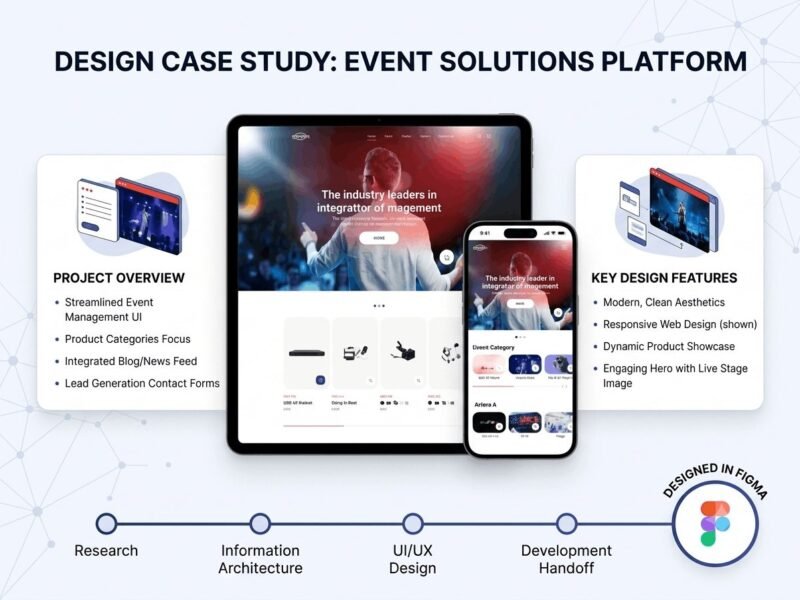
ABBN
A corporate site for a conference interpreting-equipment supplier, with a storefront and a full solutions site…
-
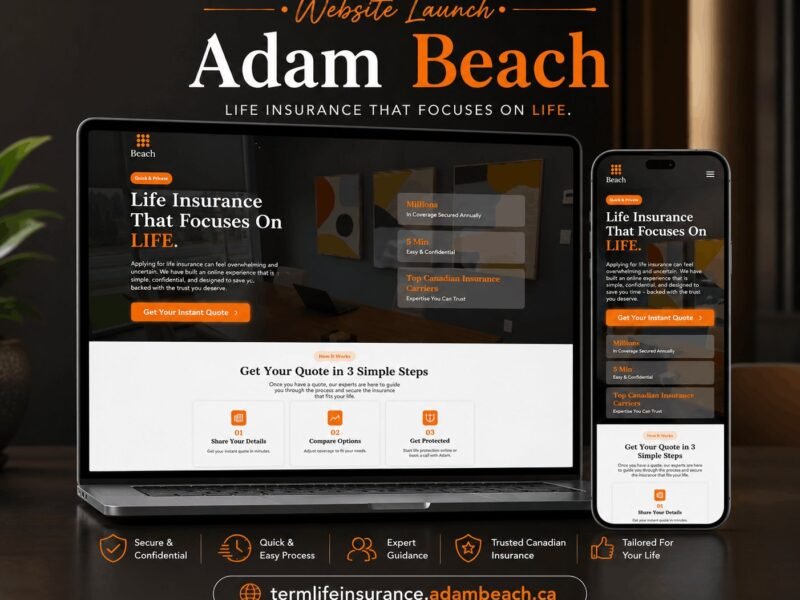
Adam Beach Term Life
A landing page for a Canadian term life insurance advisor, built around a three-step quote flow.
Ready to build something that performs?
Tell me about your project and I'll tell you exactly how I'd approach it. Free 30-minute consultation, and I reply within 24 hours.